
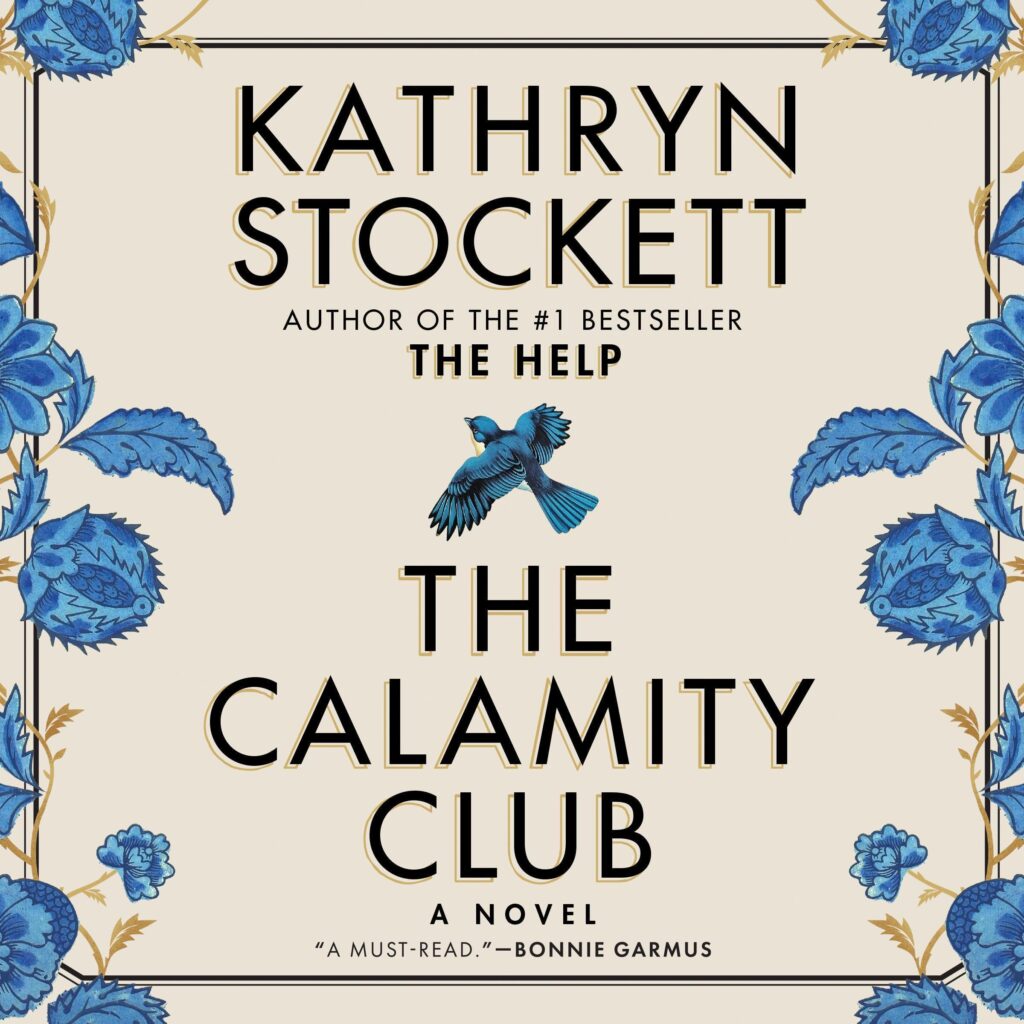
The Calamity Club is a literary mystery novel that follows a group of old college friends reuniting after a decades-old tragedy resurfaces. It is the kind of book you pick up for a quiet weekend, not a page-turner you devour in one sitting. The story unfolds through alternating perspectives, with each character carrying their own baggage and secrets.
In real-world usage, this novel works best for readers who enjoy character-driven narratives over fast-paced plots. You might find yourself reading a chapter before bed, letting the atmosphere settle. The pacing is deliberate, and the author spends considerable time establishing mood and internal conflict. If you are used to thrillers that hit a major twist every few chapters, this will feel more like a slow crawl through memory and regret.
Key functional features of the book include its layered narrative structure, where each chapter shifts between past and present. The prose is descriptive, almost literary, with an emphasis on setting—rainy streets, old libraries, and quiet conversations. There is also a central mystery involving a missing person and a fire, but the resolution is more about emotional closure than a shocking reveal. The book includes a cast of six main characters, though only three or four get substantial development.
A notable limitation is that the middle third of the novel drags. The author spends too much time on internal monologue and repetitive reflections on the same event. Some readers may find themselves skimming paragraphs that rehash what was already implied. Additionally, the ending feels slightly rushed compared to the careful buildup. The final twist, while logical, does not carry the weight the early chapters promise.
Compared to a typical whodunit like those by Agatha Christie or a modern domestic thriller like The Girl on the Train, The Calamity Club is less about the puzzle and more about the psychological toll of secrets. It is closer in tone to Tana French’s Dublin Murder Squad series, but with less procedural detail and more focus on friendship dynamics. If you prefer concrete answers and clear-cut resolutions, this book may frustrate you. It leaves certain threads ambiguous, which feels intentional but might come across as unresolved.
This novel is suitable for readers who appreciate literary fiction with mystery elements, especially those who like stories about the long-term effects of trauma and guilt. It is also a good choice for book clubs, as the characters’ ambiguous motivations invite discussion. However, it is not suitable for readers seeking a fast-paced thriller or a straightforward crime novel. If you are looking for high tension or frequent action, look elsewhere.
Overall, The Calamity Club is a competent but uneven work. It succeeds in creating a melancholic atmosphere and in portraying flawed, believable characters. But its pacing issues and lack of payoff for some plot threads keep it from being a standout in the genre. It is a solid three-star read for those who can tolerate a slow burn, but it will not satisfy everyone.
"A handpicked recommendation from AegeanBreezeLLC — reviewed, verified, and linked directly to Amazon."